+91 95000 27976
 info@drragavanandamortho.in

INTRODUCTION
As a Shoulder Arthroplasty Surgeon practicing in Thiruvottiyur for more than 15 years, I have seen how shoulder pain, arthritis, and recurrent dislocations can slowly affect a patient’s confidence, daily movement, and overall quality of life. When you begin to feel consistent pain while lifting your arm, sleeping on your shoulder, or performing simple activities, the condition often indicates deeper joint damage. Through years of focused orthopaedic practice and advanced training in arthroplasty and arthroscopy, I have helped patients regain stable, pain-free shoulder function using modern, minimally invasive techniques. My approach always begins with understanding your symptoms, lifestyle demands, and the severity of joint damage so that your treatment becomes truly personalised.
For many individuals in and around Thiruvottiyur—including Manali, Madhavaram, Ennore, Tondiarpet, Wimco Nagar, and Kodungaiyur—shoulder dislocation has become a frequent concern, especially among those with active lifestyles or previous injuries. Recurrent dislocations weaken the ligaments, leading to chronic instability. Shoulder arthroplasty becomes a preferred solution when the cartilage is worn out, the joint is severely damaged, or previous surgeries haven’t helped. Whether you are suffering from arthritis, massive rotator cuff tears, fractures, or repeated dislocations, my goal is to restore your mobility with the highest level of precision and care.
Understanding Shoulder Arthroplasty & Joint Damage
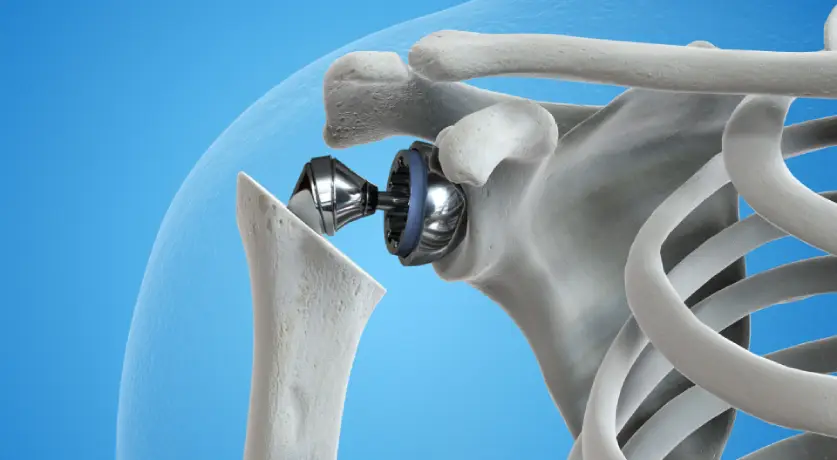
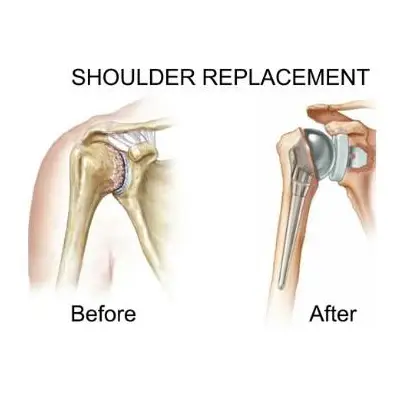
Shoulder arthroplasty is a surgical procedure in which the damaged parts of the shoulder joint are replaced with artificial components to restore smooth function and eliminate pain. Patients with advanced arthritis, complex fractures, or severe stiffness often reach a stage where medications and physiotherapy provide only temporary relief. In such cases, replacing the joint becomes the most reliable path to long-term comfort. With my training in arthroplasty and advanced orthopaedic techniques, I focus on accurate diagnosis, detailed imaging, and step-by-step planning to choose the appropriate replacement—from total to partial to reverse shoulder arthroplasty.
Many individuals come to me with shoulder instability caused by repeated dislocations, sports injuries, or sudden trauma. With every dislocation, the surrounding ligaments and soft tissues become weaker, increasing the risk of future episodes. When instability persists despite physiotherapy, surgical repair or reconstruction is often needed to restore shoulder stability. My treatment plans aim not only to address current pain but also to prevent future joint issues through precise surgical repair and strong rehabilitation support.
Tick Points:
- Joint Preservation –Identify and protect healthy tissues.
- Arthritis Management –Treat advanced wear-and-tear effectively.
- Instability Control – Stop repeated dislocation episodes.
- Imaging Precision – Accurate diagnosis using X-ray & MRI.
- Tailored Approach – Treatment fitted to your shoulder anatomy.
When Shoulder Arthroplasty or Repair Is Needed
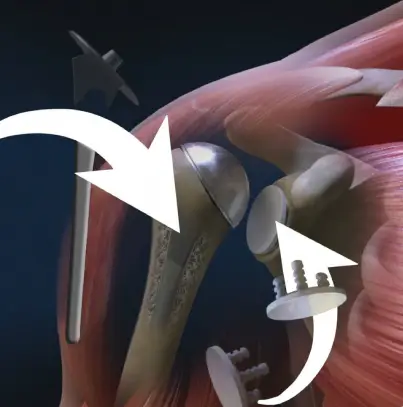
Patients usually reach me when shoulder pain becomes a constant barrier—while lifting objects, sleeping, or even during basic daily movements. If your shoulder feels weak, stiff, swollen, or keeps slipping out of position, it often indicates advanced joint or soft tissue damage. Shoulder arthroplasty is ideal for patients with severe arthritis, major fractures, and chronic pain that hasn’t responded to conservative treatments. By focusing on your symptoms, medical history, and movement limitations, I determine when a joint replacement becomes the right choice.
In cases of recurrent dislocation, I carefully assess the soft tissue and bone loss to decide whether arthroscopic stabilisation or open reconstruction is needed. For young athletes and active individuals, the goal is always to restore strength and confidence without compromising future mobility. For older patients, pain relief and safe movement remain top priority. Every treatment decision is made by balancing your everyday needs with long-term joint protection.
Tick Points:
- Chronic Pain – Pain persisting beyond 3–6 months.
- Recurrent Dislocation – Shoulder slipping out repeatedly.
- Joint Arthritis –Wear-and-tear causing stiffness.
- Movement Restriction – Difficulty lifting or rotating arm.
- Failed Treatments –No improvement with physio or medication.
How Shoulder Arthroplasty Is Performed
Shoulder arthroplasty focuses on replacing the damaged joint surfaces with high-quality prosthetic implants. Before surgery, I perform detailed imaging studies and plan the exact component type, size, and placement to match your anatomy. During surgery, precise bone preparation and implant positioning ensure reliable movement and long-term durability. Whether I perform total, reverse, or partial shoulder arthroplasty, the goal remains the same: restoring natural alignment and reducing pain without compromising stability.
I also apply minimally invasive techniques whenever suitable, which help reduce muscle damage, minimise bleeding, and support faster recovery. Special care is taken to protect nerves and surrounding structures. My surgical approach emphasises accuracy and safety, helping you achieve maximum comfort and mobility after the procedure.
Tick Points:
- Pre-surgical Imaging –Accurate planning before the procedure.
- Precise Bone Preparation – Ensures perfect implant fit.
- Advanced Implants – Long-lasting components.
- Minimal Muscle Damage – Faster healing and less pain.
- Safe Surgical Technique – Full protection of joint structures.
Shoulder Dislocation Repair & Stabilisation
Recurrent shoulder dislocations weaken the joint, making it unstable and more prone to future injury. My approach begins with identifying whether the problem lies in the ligaments, the socket, or the humeral head bone. Through arthroscopic stabilisation techniques, I repair torn tissues and reinforce the shoulder to prevent future dislocations. In cases with bone loss, reconstructive procedures restore joint alignment and provide long-term stability.
Post-surgery, a structured rehabilitation program is essential for strengthening the muscles around the shoulder. Patients regain confidence through guided exercises and stability training, ensuring the shoulder performs well during daily activities and sports. My focus is on rebuilding a strong and reliable shoulder joint that moves effortlessly without fear of dislocation.
Key Points:
- Ligament Repair:Strengthens the shoulder capsule.
- Bone Reconstruction – For severe instability.
- Arthroscopic Technique – Minimal cuts, quick recovery.
- Strength Training – Rebuilds shoulder support muscles.
- Long-term Stability – Prevents repeated dislocations.
Benefits of Shoulder Arthroplasty
Most patients experience significant pain relief and improved shoulder movement after shoulder arthroplasty. The surgery enhances the range of motion, corrects deformities, and enables you to perform daily tasks with ease, such as combing your hair, dressing, or lifting objects. With modern implants and techniques, the results are predictable and long-lasting.
Improved shoulder mechanics also help you resume activities you once avoided due to pain. Whether it’s sports, household work, or simply sleeping comfortably, shoulder arthroplasty greatly boosts your lifestyle. Better joint alignment, improved muscle balance, and reduced grinding improve long-term shoulder function.
Key Points:
- Pain Relief –Major reduction in chronic shoulder pain.
- Improved Motion – Lift and rotate arm more freely.
- Strength Gain –Better muscle performance.
- Daily Comfort –Easier sleeping and movement.
- Reliable Long-Term Results –Stable shoulder for years.
Preparing for Shoulder Surgery
Before surgery, I evaluate your overall health to plan a safe and successful procedure. This includes blood tests, imaging, heart evaluation, and reviewing current medications. I also guide you through pre-surgery exercises that build shoulder and upper body strength, helping you recover faster afterward.
Preparing your home is equally important. Patients are advised to create a safe space, avoid heavy tasks, and arrange assistance for daily activities in the initial days. This ensures a smooth transition during the early healing phase and avoids unnecessary strain on the shoulder.
Key Points:
- Health Assessment – Tests to ensure surgical readiness.
- Medication Review – Adjustments for safety.
- Prehab Exercises –Strengthen before surgery.
- Home Setup –Make daily tasks easier post-surgery.
- Lifestyle Guidance – Tips to enhance healing.
Recovery After Shoulder Arthroplasty
Most patients begin gentle movement exercises soon after surgery. A sling is usually recommended for support, and physiotherapy plays a major role in rebuilding strength and mobility. I design progressive rehab plans that help your shoulder regain motion at a comfortable pace without overloading the joint. Regular follow-up visits allow me to monitor your healing and adjust exercises based on your progress.
Long-term recovery focuses on restoring full function and preventing future stiffness. Most individuals return to routine activities within a few weeks and resume sports or higher-level tasks after full rehabilitation. My goal is to ensure confidence, strength, and pain-free movement throughout your recovery journey.
Key Points
- Early Movement – Gentle exercises begin soon.
- Structured Rehab – Guided physiotherapy sessions.
- Supportive Sling – Protects the joint while healing.
- Regular Follow-ups –Monitor recovery progress.
- Full Functional Return –Resume activities gradually.
Why Patients Choose Me for Shoulder Arthroplasty in Thiruvottiyur
With more than 15 years of dedicated orthopaedic experience, I have treated hundreds of patients with shoulder arthritis, fractures, and instability. My international training in arthroplasty and arthroscopy helps me deliver advanced, precise, and safe procedures. I make sure every patient understands their condition, the treatment options, and expected outcomes before proceeding.
Patients value my transparent communication, personalised guidance, and long-term follow-up care. Whether you need shoulder replacement, arthroscopic repair, or dislocation stabilisation, my focus is always on restoring your comfort, movement, and confidence. My practice in Thiruvottiyur ensures high-quality shoulder care close to your home.
Key Points
- 15+ Years Expertise – Trusted, experienced care.
- Advanced Training – International arthroplasty skills.
- Patient-Focused –Clear explanation & transparent options.
- Modern Techniques– Safety and precision in every case.
- Local Care – Easily accessible shoulder treatment in Tiruvottiyur.
Conclusion
Shoulder arthroplasty and dislocation treatment are life-changing solutions for patients who have lived with pain, instability, and restricted movement for years. With advanced diagnostic tools, minimally invasive procedures, and structured rehabilitation, I aim to ensure each patient receives predictable results and long-term comfort. Whether you’re dealing with arthritis, recurrent dislocations, or complex fractures, early expert evaluation offers the best path toward a strong and stable shoulder.
Every patient I meet has a different lifestyle and unique movement needs. That’s why I focus on personalised treatment strategies that prioritise not only your recovery but also your confidence in using your shoulder without hesitation. My goal is to help you return to a pain-free, active, and independent life through safe, precise, and compassionate shoulder care.
Ready to restore your shoulder strength and movement?
Get expert guidance, personalised treatment, and advanced shoulder care directly from me in Thiruvottiyur.
Frequently Asked Questions
Yes. Shoulder arthroplasty is the medical term for shoulder replacement, where the damaged joint surfaces are replaced with prosthetic components to restore movement and reduce pain.
Initial recovery usually takes 6–8 weeks, with gentle movement and physiotherapy. Full strength and functional recovery can take 3–6 months depending on your age, health, and adherence to rehab.
Minor instability may respond to physiotherapy and strengthening exercises, but repeated dislocations often require surgical stabilisation for long-term stability.
Shoulder arthroplasty is generally safe, but as with any surgery, risks include infection, implant loosening, nerve injury, or stiffness. Proper pre-operative evaluation and careful technique reduce these risks.
Reverse shoulder arthroplasty is recommended for patients with severe rotator cuff tears, cuff-tear arthropathy, or cases where standard implants may not restore proper movement.