+91 95000 27976
 info@drragavanandamortho.in

INTRODUCTION
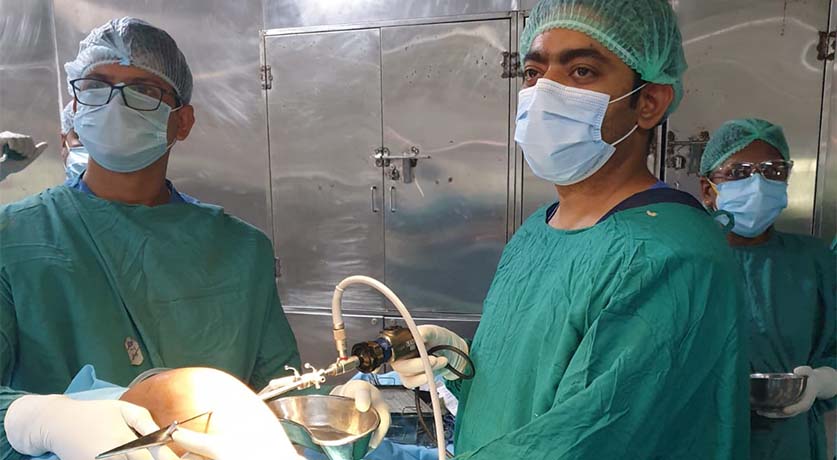
With more than 15 years of experience as an orthopaedic and sports medicine specialist, I, Dr. Ragavanandam, have dedicated a significant part of my practice to performing knee arthroscopy for patients across Tiruvottiyur and the surrounding 10 km radius. Many individuals come to me with long-standing knee pain, ligament injuries, meniscus tears, or mobility restrictions, unsure why their knee is not functioning the way it should. Knee arthroscopy allows me to look directly inside the joint through a minimally invasive approach, helping me diagnose and treat conditions with far less pain, minimal tissue damage, and faster rehabilitation. My goal is always to give every patient clarity, confidence, and a smooth path to recovery.
Over the years, I have seen knee arthroscopy evolve into one of the most dependable procedures for restoring knee health. With international fellowship training in arthroscopy, I use precise instruments, high-definition visualization, and modern surgical techniques to correct internal knee damage through tiny incisions. This procedure is especially effective for meniscus repair, ligament treatment, synovial issues, cartilage defects, and loose bodies within the joint. Whether you’re an athlete, a working professional, or someone experiencing age-related knee degeneration, knee arthroscopy helps me identify the exact problem and treat it with accuracy—ensuring you return to normal life with improved function and lasting relief.
What Is Knee Arthroscopy?
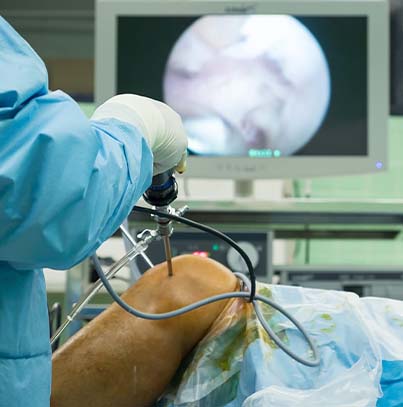
Knee arthroscopy is a minimally invasive procedure where I examine and treat internal knee problems using a small camera called an arthroscope. Unlike traditional open surgery, this technique allows me to make tiny incisions and operate with precision. The magnified view helps me identify ligament tears, cartilage damage, inflammation, and mechanical problems that cannot be detected accurately with physical examination or imaging alone. This technique reduces pain, minimizes scarring, and supports quicker recovery for patients around Tiruvottiyur.
Over time, knee arthroscopy has become a preferred option due to its effectiveness and safety. It allows me to perform repairs, remove damaged tissues, smooth rough cartilage surfaces, and restore joint stability—all with minimal disruption to surrounding structures. For patients dealing with persistent knee issues that haven’t improved with medication or physiotherapy, arthroscopy becomes a reliable and targeted treatment option.
Key Points – What You Need to Know
- Small Incisions, Big PrecisionTiny cuts allow targeted treatment without damaging healthy tissue.
- Clear Internal View High-definition camera helps me diagnose issues that scans may miss.
- Minimally Invasive Technique Less bleeding, less pain, faster healing
- Versatile Procedure Effective for ligament issues, meniscus tears, cartilage repair, and synovitis.
- Quick Return to Activities Patients resume daily routines much sooner than open surgery.

When Do You Need Knee Arthroscopy?
Many patients from Tiruvottiyur visit me after struggling with knee symptoms that don’t respond to basic treatments. If you have ongoing pain, swelling, locking, instability, or reduced movement, arthroscopy may be necessary to identify hidden internal damage. It becomes especially important for athletes, elderly individuals, and people with old injuries that suddenly worsen. When conservative care fails, arthroscopy provides clarity and correction at the same time.
I recommend arthroscopy when knee problems affect your daily life, work, or mobility. If symptoms interfere with walking, climbing stairs, exercising, or squatting, they shouldn’t be ignored. Conditions like meniscus tears, ACL issues, cartilage wear, and recurrent swelling often respond very well to arthroscopic treatment, helping patients regain comfort and stability without the need for major surgery.
Key Points – When It Becomes Necessary
- Unresolved Knee PainPain that persists beyond 2–3 months despite rest and medication.
- Mechanical SymptomsLocking, catching, clicking, or knee giving way
- Sports-Related InjuriesCommon among football, basketball, and running injuries.
- Chronic Swelling or Stiffness Swelling that repeatedly returns after activity.
- Failed Conservative TreatmentWhen physiotherapy, medicines, or injections don’t offer relief.
How Knee Arthroscopy Works
Knee arthroscopy is performed under spinal or general anesthesia based on your comfort and clinical requirement. I begin the procedure by making two or three small incisions around the knee, through which I insert the arthroscope and specialized surgical tools. The camera projects a clear and enlarged image onto a monitor, allowing me to examine and treat the internal structures with high accuracy. Every step is performed carefully to minimize trauma and ensure the best outcome for the patient.
Depending on the diagnosis, I may repair torn tissues, remove loose fragments, smooth damaged cartilage, or treat inflammation. The entire procedure typically takes 30–60 minutes. Most patients return home the same day, with walking allowed within a few hours. Recovery is generally quick, and physiotherapy helps you regain strength and flexibility soon after the surgery.
Key Points – How the Procedure Helps
- High-Definition VisualisationGives a clear view of internal damage.
- Precise Instrumentation Enables targeted repairs through tiny cuts.
- Short Procedure Time Usually completed within an hour.
- Same-Day Discharge Minimally invasive, allowing fast return home.
- Quick Rehabilitation Physiotherapy begins early for faster recovery.
Arthroscopic Treatment for Meniscus Tears
Meniscus tears are among the most common knee injuries I treat through arthroscopy, especially for active individuals and elderly patients. Meniscus damage often causes sharp pain, swelling, and difficulty bending or straightening the knee. Through arthroscopy, I can clearly see the tear and determine whether it needs trimming, repair, or preservation. This targeted approach helps maintain the natural cushioning of the knee and reduces the risk of early arthritis.
By treating meniscus tears arthroscopically, recovery becomes faster and smoother with less post-operative discomfort. Patients from Tiruvottiyur often resume walking within a short time and return to normal daily activities with restored comfort. My goal is always to save as much of the meniscus as possible to ensure long-term knee function.
Benefits of Meniscus Arthroscopy
- Precise identification of tear type
- Faster recovery with less pain
- Preserves natural knee cushioning
- Prevents early arthritis
- Supports long-term knee stability
ACL & PCL Ligament Reconstruction
ACL and PCL injuries often result in instability, difficulty walking, and a feeling that the knee may “give way.” As a specialist trained internationally in ligament reconstruction, I perform arthroscopic ACL and PCL repairs using high-quality grafts and advanced fixation methods. Arthroscopy ensures accurate tunnel placement and strong ligament stability.
With the right rehabilitation plan, patients regain knee strength and return to sports or routine activities with improved control. Early arthroscopic reconstruction helps prevent cartilage wear and reduces long-term complications.
Benefits of Arthroscopic Ligament Repair
- Strong, stable ligament reconstruction
- Minimally invasive technique
- Faster rehabilitation
- Lower risk of re-injury
- Improved knee biomechanics
Cartilage Damage & Chondral Lesions
Cartilage injuries can cause deep, persistent knee pain and stiffness. Through arthroscopy, I can smooth damaged cartilage, remove loose fragments, and perform procedures like microfracture or chondroplasty. This helps reduce friction, delay degeneration, and restore joint function.
Cartilage preservation is crucial for long-term joint health, especially for middle-aged individuals experiencing early signs of wear. Arthroscopy helps slow progression and improves comfort during movement.
Benefits of Cartilage Treatment
- Reduces joint friction
- Prevents rapid degeneration
- Improves mobility
- Offers long-lasting relief
- Supports joint preservation
Removal of Loose Bodies
Loose fragments of bone or cartilage inside the knee can cause sudden locking, catching, or sharp pain. Arthroscopy allows me to locate and remove these fragments safely and effectively. This often provides immediate relief and restores smooth knee movement.
Patients from Tiruvottiyur often feel a dramatic change in comfort levels after loose body removal. The procedure is quick, minimally invasive, and offers fast recovery.
Benefits of Loose Body Removal
- Instant relief from locking
- Better joint movement
- Prevents further damage
- Minimally invasive
- Short recovery period
Synovitis & Inflammation Treatment
Synovitis, or inflammation of the knee lining, causes swelling, stiffness, and discomfort. Arthroscopy enables me to remove inflamed tissue precisely, offering long-term relief without relying heavily on medications.
This procedure is particularly effective for patients with autoimmune issues or chronic swelling. It helps restore natural knee movement and reduces painful flare-ups.
Benefits of Arthroscopic Synovectomy
- Reduced swelling
- Long-lasting relief
- Improved mobility
- Less dependency on medicines
- Prevents chronic inflammation
Patellar Tracking & Kneecap Issues
Kneecap misalignment can cause pain while climbing stairs, running, or sitting for long periods. Through arthroscopy, I can correct alignment issues, smooth cartilage under the patella, and stabilise supporting structures.
This treatment improves kneecap movement and reduces grinding or clicking sensations, offering significant comfort and mobility improvement.
Benefits for Patellar Problems
- Better kneecap alignment
- Reduced pain during movement
- Smooth cartilage function
- Faster recovery
- Improved stability
Sports-Related Knee Injuries
Athletes often develop ligament tears, meniscus injuries, or cartilage issues because of sudden twists or overuse. Arthroscopy helps me diagnose and treat these injuries precisely, supporting a faster and safer return to sports.
With a personalized rehabilitation plan, athletes regain strength, range of motion, and confidence. Arthroscopy minimizes downtime and preserves long-term joint health.
Benefits for Athletes
- Faster return to play
- Accurate diagnosis
- Minimal tissue trauma
- Reduced re-injury risk
- Tailored rehabilitation
Diagnostic Arthroscopy for Unclear Knee Pain
Sometimes X-rays or MRI scans do not reveal the root cause of knee pain. In such cases, diagnostic arthroscopy helps me examine the joint directly and identify the exact problem.
Many patients who struggle with unexplained knee pain finally receive answers through this procedure. It also allows me to treat the issue during the same session.
Benefits of Diagnostic Arthroscopy
- Direct internal view
- Highly accurate diagnosis
- Identifies hidden damage
- Enables immediate treatment
- Prevents long-term worsening
Conclusion
As one of the leading Knee Arthroscopy Doctors in Thiruvottiyur, my focus is to provide every patient with clear diagnosis, effective treatment, and long-term knee stability. Knee arthroscopy combines advanced technology with minimally invasive precision, making it a dependable solution for many painful and disruptive knee conditions. My commitment is to ensure that each patient receives individualized care that restores mobility, reduces discomfort, and enhances overall quality of life.
If you’re experiencing persistent knee pain, locking, instability, or swelling, do not ignore these early signs. Timely treatment prevents the condition from worsening and helps protect your knee for years to come. With the right intervention and expert care, you can regain strength, confidence, and full function.
If knee pain is affecting your daily routine, book your consultation with me, Dr. Ragavanandam, today. Take the first step toward restoring your knee health with trusted, expert arthroscopic care in Tiruvottiyur.
Frequently Asked Questions
Most patients experience only mild discomfort after knee arthroscopy because the procedure is minimally invasive. With modern anaesthesia and pain-management methods, pain is well-controlled, and most individuals are able to walk on the same day.
Recovery time varies based on the condition treated, but most patients return to normal routine activities within 2–3 weeks. Full recovery, including sports or heavy work, may take 6–8 weeks with proper physiotherapy.
If knee pain, swelling, locking, or instability continues despite 2–3 months of conservative treatment, arthroscopy may be required. It helps diagnose and treat internal knee problems that cannot be corrected through medication alone.
Yes. Physiotherapy is an essential part of recovery. It helps restore knee strength, flexibility, and balance, ensuring long-term stability and better surgical results.
Yes, knee arthroscopy is considered safe for both younger and older patients. Since it uses small incisions and causes minimal tissue damage, elderly patients benefit from quicker recovery and lower complication rates.